Buyer's Guide to keeping your dog looking and feeling its best
Professional Pooch Grooming: Keep Your Dog Joyful and Healthy
Professional dog grooming is fundamentally important in promoting the vitality of pets. It extends beyond looks, managing wellness issues such as matting and fur-related concerns. Regular grooming enhances your pet's appearance and also deepens the bond between pets and their owners. Studying the grooming methodology and its benefits can enable pet parents make well-informed decisions. What aspects warrant your attention when selecting a professional groomer? The answers could surprise you.
The Value of Regular Dog Professional Care
Although many pet owners may dismiss grooming as a simple aesthetic undertaking, the importance of routine canine grooming extends well beyond how it looks. Coat maintenance plays a crucial role in maintaining a dog's general health and well-being. Regular brushing removes loose hair and prevents matting, which can cause skin irritations and infections. It also supports healthy skin presentation by distributing natural oils, enhancing coat luster and texture.
In addition, grooming sessions give owners the chance to inspect their dogs for signs of insects or dermatological problems, allowing early detection and treatment. Another critical aspect is nail trimming; overgrown nails can cause painful walking and joint problems. Moreover, cleaning the ears and teeth helps prevent infections and dental issues. Ultimately, regular grooming creates a stronger bond between the dog and its owner, bringing a happier, healthier pet. Putting a priority on grooming an essential responsibility supports both body health and emotional well-being.
What to Know for a Skilled Grooming Session
During a expert grooming appointment, pet owners can anticipate a structured process aimed at improve their dog's look and cleanliness. Multiple instruments and methods will be utilized to guarantee effective grooming, tailored to each canine's specific needs. After the appointment, aftercare and maintenance tips will be given to help maintain the pet's well-groomed look.
The Key Personal Appearance Procedures Outlined
A skilled grooming session typically involves several key steps meant to elevate a dog's appearance and well-being. Initially, the groomer assesses the dog's fur, epidermis, and general condition, identifying any distinct needs. The beginning phase often features washing the dog with suitable shampoo, then complete drying. Once the dog is dry, the groomer brushes through the fur to eliminate tangles and shed hair. This is often accompanied by cutting claws and ear cleaning, ensuring complete cleanliness. According to breed specifications, additional services such as clipping or styling may be performed to achieve the desired look. Finally, the appointment concludes with a thorough review, confirming the dog appears and feels its best, ready to go the grooming salon content and renewed.
Equipment and Techniques Leveraged
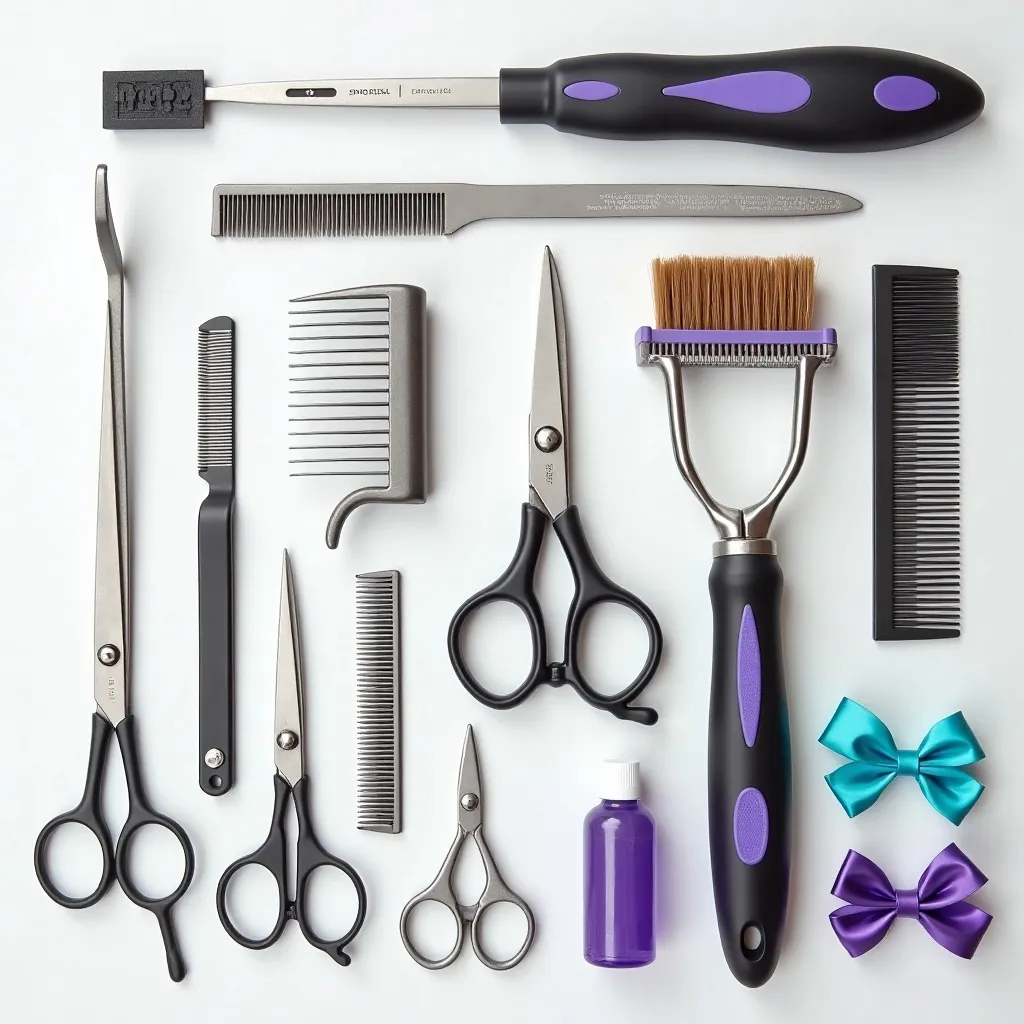
Professional dog grooming entails a set of specialized tools and techniques designed to secure ideal care and hygiene. Groomers often use clippers for precise fur trimming, allowing a clean and attractive look. Shears are employed for detailed work, allowing for varied lengths and textures. Brushes and combs aid in detangling and removal of loose fur, contributing to a healthy coat. De-shedding tools may be utilized to reduce shedding and maintain cleanliness at home. Bathing equipment, including shampoos and conditioners formulated for specific coat types, keep the skin and fur in optimal condition. Furthermore, nail clippers and grinders are vital for maintaining paw health. Each tool serves a specific purpose, making sure every aspect of the dog's grooming needs is addressed effectively.
Post-Care and Upkeep Recommendations
Grooming sessions not only enhance a dog's appearance but also play a significant role to overall wellness. After a professional grooming appointment, it is crucial for owners to follow specific aftercare guidelines to preserve their dog’s fur and skin. Regular brushing should continue at home, ideally multiple times weekly, to avoid tangles and remove loose fur. Bathing frequency should be moderate; excessive washing can remove natural oils. Owners should check their dog’s skin for any signs of irritation or allergies, reporting concerns to a veterinarian if necessary. Hydration is important, so fresh water should always be accessible. Finally, keeping a consistent grooming schedule will help keep a dog looking and feeling its best year-round.
Must-Have Grooming Implements for All Dogs
Every dog owner should be equipped with essential grooming tools to sustain their pet's health and appearance. A top-tier brush is necessary, as it helps remove loose fur and debris while transferring natural oils, keeping the coat shiny. For dogs with long hair, a slicker brush can treat tangles successfully.
Nail cutters or grinders are crucial for sustaining paw wellness, stopping sore overgrowth. A soft ear cleaner can help prevent infections, while canine-safe shampoos assure the skin stays robust during baths.
In addition, a grooming table can give a sturdy platform, making the grooming experience more manageable for both the dog and the owner.
Ultimately, purchasing a quality pair of scissors will assist in cutting and final details, ensuring the dog looks its best. Having these tools on hand allows owners to offer regular grooming, enhancing the bond between them and their furry companions.
Why Dog grooming Promotes Your Dog Well and healthy
Grooming represents an important component in sustaining a dog's general health. Regular grooming helps confirm skin health by removing dirt and debris, while also circumventing matting that can trigger discomfort. This ongoing routine not only keeps a dog's coat looking wonderful but also promotes their physical well-being.
Skin Health Perks
Regular coat care provides an essential safeguard for a dog's skin health, advancing overall well-being. It eliminates dirt, debris, and loose hair, preventing skin irritations and infections. By frequently brushing a dog's coat, the natural oils are distributed evenly, maximizing skin hydration and luster. In addition, grooming facilitates for early detection of potential skin issues, such as rashes or parasites, enabling timely intervention. This preventive approach not only contributes to the dog's comfort but also reduces the risk of more serious health concerns. Moreover, grooming sessions can boost blood circulation, which promotes healthy skin regeneration. Overall, maintaining a consistent grooming routine is essential for ensuring ideal skin health and fostering a happier, healthier pet.
Prevents Tangling Problems
A regular grooming schedule not only promotes healthy skin but also plays an crucial role in preventing matting issues. Mats can form when hair gets tangled with the dog's fur, often leading to skin irritations and discomfort. Regular brushing eliminates dirt, debris, and dead hair, ensuring that the coat remains healthy and free-flowing. For long-haired breeds, daily grooming is particularly important to avoid tangles and knots that can worsen if neglected. Additionally, professional groomers possess the expertise to identify early signs of matting and take suitable measures.
What's the Finest Way to Choose a Grooming Service?
When selecting the optimal grooming service for a dog, pet owners often wonder what points will ensure their furry friend receives the best support. First, they should investigate the grooming facility's reputation, seeking out reviews and testimonials from other pet owners. A clean, well-organized environment demonstrates professionalism and attention to detail. Additionally, assessing the staff's certifications and expertise is vital; credentialed specialists are often more informed about suitable methods and breed-particular requirements.
Pet owners should also inquire into the available services, such as washing, nail clipping, and ear cleaning, ensuring they match their dog's needs. Touring the location beforehand can offer insight into how dogs are treated during grooming sessions. In conclusion, considering the groomer's location and pricing will enable pet owners to reach a well-considered choice that fits their way of life and financial means, ultimately guaranteeing a favorable grooming session for their cherished companion.
Grooming Recommendations for Distinct Varieties
Different canine varieties possess distinct grooming requirements that can significantly affect their well-being and appearance. For instance, varieties such as Poodles need regular grooming to avoid matting in their curly coats, requiring professional grooming every four to six weeks. In contrast, breeds with short hair like Beagles benefit from occasional brushing to eliminate loose hair and spread natural oils, making their care regimen less demanding.
Long-haired varieties, such as Golden Retrievers, need more regular brushing, preferably two to three times a week, to keep their coats free from tangles and in good condition. Furthermore, breeds with specific skin conditions, like Bulldogs, may need custom cleansers to preserve skin health. Routine nail trimming is crucial for all varieties, but especially for those less active, as overgrown nails can cause discomfort. Comprehending each dog's care needs is vital for guaranteeing their overall health and contentment.
Symptoms Your Dog Requires Grooming Services
Recognizing the signs that a dog requires grooming services can markedly enhance its general health and comfort. One of the most obvious signs is matting in the fur, which can lead to skin issues or infections if left untreated. In addition, an upsurge in shedding or a noticeable odor may signal that a grooming session is overdue.
Dogs that often scratch and bite at their skin could be suffering from discomfort from tangled fur or parasites, necessitating prompt grooming care. Moreover, overgrown nails can create pain and walking difficulties, making regular nail trimming essential.
In conclusion, if a dog demonstrates a shift in behavior, such as becoming more touchy or withdrawn during brushing, it might indicate that grooming is due. Responding to these signs immediately can guarantee that a dog's coat stays lustrous and sustain its overall well-being.
Commonly Posed Inquiries and Responses
How Many Times Should I Maintain My Dog's Appearance at Home?
Dogs should usually be maintained every four to six weeks, based on their coat type and fur shedding. Regular brushing at home can help in maintaining coat health and minimize matting between professional grooming sessions.
Will Grooming Reduce Shedding Problems?
Grooming can markedly cut down on shedding difficulties by clearing away loose fur and dander. Regular brushing helps maintaining a dog's coat, advancing healthier skin and lowering allergens in the atmosphere, ultimately forming a cleaner living space.
What Actions Ought I Consider if My Dog Doesn't Enjoy Grooming?
If a dog dislikes grooming, patience becomes essential. Measured introduction to the grooming process, offering treats and praise, can help. Additionally, engaging a professional groomer for procedures tailored to the dog's specific needs may work well.
Do Aging Dogs Have Grooming Alternatives?
Grooming solutions for senior dogs feature gentle, low-stress techniques such as finger brushing, soft baths, and using specialized tools. Routine care helps keep their skin healthy and coat easy to maintain, enhancing their total quality of life.
In What Ways Can I Groom-Ready My Dog for Grooming Appointments?
Owners should prepare their pet for grooming appointments by familiarizing their dog to brushing, practicing handling paws and ears, utilizing positive reinforcement, and booking regular visits to build a calm, tension-free grooming experience.